Showing posts with label PracticalEcologist. Show all posts

Wednesday, April 22, 2015

#EarthDayThanks and Earth Day Resolutions

Some truth about me as a person?  I'm horrible at New Years resolutions.  Don't get me wrong, I love them.  I plan them.  I hoard them, coming up with way too many and getting overly excited about all of them.  I make lists, and timelines, and mini-goals.  Unfortunately, it seems the outcome 98% of the time is a few months of triumphant, self-improving activity, followed by a slow shift back into my normal pattern of existence.  But, over the past 5 years, each Earth Day I have made a second batch of resolutions.  With this set of commitments, I've experienced an almost unprecedented success rate.  Over the years, I've greatly reduced my plastic consumption, I have committed to the concept of reusing pretty much everything, and I cut all animal derived products from my diet.  As someone who is really used to failing and having to restart as part of her daily life (because, scientist), I've started to wonder why my Earth Day Resolutions stick, while so many other intentions (I'm doing all the dishes everyday starting tomorrow!) seem to fall to the wayside.  After some reflection, I believe the reason is twofold.  First, I have strong examples of conservation champions, and, second, Earth Day Resolutions aren't actually about global impacts for me.

This is an essay in two parts.  The first part is a love letter to to the people in my life who made real for me the importance of conservation and preservation of the Earth.  The second bit contains my 2015 Earth Day Resolutions and explains why I think you should make some too!
True Confessions: I probably have enough pictures of myself hugging trees to fill an entire photo album

Tuesday, April 14, 2015

Blog Slacker Gives Peak into Real Life

Meridith and I were commiserating yesterday that we had been STS Slackers.  But, y'all, real life (RL) got so real these past few weeks.  Meridith is studying for her qualifying exams, and my lab mate and I have been racing against phenology to get our projects in the field.  We study the same invasive plant and have actually been experimenting with an amazing work sharing system.  More on that later, probably.

Anyway, all that to say, getting two blog posts out a month is pretty much where we are at these days.  We, of course, have tons of awesome plans and big ideas, but all those take time.  Time's a bit of a commodity these days.  So, in lieu of completely disappearing from the internet, I give you a peak into my RL, as seen from my iPhone.


Here we have the Rachel in her natural habitat, obnoxiously posing with an obscene amount of pin flags.  This might have been the day when I started the "You Might be an Ecologist if..." meme on Tumblr.

Thursday, March 5, 2015

Questions to Ask when Choosing a Graduate Adviser

A few weeks back, my graduate group had its prospective student weekend, where all the top ranked applicants get to come and meet professors and current students.  Meeting and greeting all these hopeful students got me and a few others thinking about the process of choosing a graduate adviser.  STS wrote a bit about how to find and contact prospective PIs in the past, but that post doesn’t touch on how to make a decision once you have a few professors interested in working with you.  In many academic fields, your relationship with your major professor is the most important professional relationship you will have for many, many years.  Even when you earn your degree, a prospective employer will still want to know what your mentor thought of you.  So, it’s crucial to choose a person who you feel will not only aid your academic growth, but who you are generally compatible with on a personal level.  You don’t need to be BFFs, but things like having drastically mismatched communication styles, academic expectations, or assumptions about levels of involvement can make the road to degree completion much more hazardous.  And, on a broader scale, it’s really not worth it to work with Bigshot-Publishes-Yearly-In-Nature if they are unkind, unhelpful, or unavailable.


Below, I’ve compiled a list of pretty well every question I have ever asked, been asked, or wished I’d asked during the process of choosing a graduate mentor.  I’ve divided it into three main groups:  questions to ask the professor, questions to ask graduate students in their lab, and questions to ask any graduate student in the program.  You certainly don’t have to ask all these things, but do a little soul searching beforehand and think about what really matters to you.  You are making a commitment to work with someone regularly for the next several years.  Sure, they are interviewing you, but you are also interviewing them.    


Despite the fact that this list is long, it’s obviously not exhaustive.  Give more suggestions in the comments below!        

Tuesday, February 17, 2015

Citizen Science: What, Why, and How

This is a post I’ve been intending to write for a long, long time.  It’s a lot easier to write about my day to day life as an ecologist and PhD student.  In fact, any time I turn my computer on to write something that isn’t about me or about my personal research, I get this super intense surge of imposter syndrome.  I’ll stop the unnecessary preamble there for now.  It’s just my attempt to keep my writing in this space authentic, as I think it’s important to be honest about the struggles we face, even if they are mundane (Ermahgerd, writing a blog?  What if someone *gasp* reads it?!)
____________________________________

Training citizen scientists out at Stebbins Cold Canyon UC NRS
 The term citizen science has been buzzing around in scientific circles for a number of years now.  When I first drafted this last week, the first annual conference of the Citizen Science Association was just wrapping up in San Jose, CA.  This conference showcased the amazing body of scholarly research concerning citizen science, which is telling us a larger and more coherent story about the practice every day.  I have had the pleasure of working with professional scientists and educators whose whole course of study revolves around the design and training of participants for these endeavors.  I will offer here the briefest of introductions based on my own reading and experience and a little anecdote about a citizen science group I help facilitate in my area.  For a peer-reviewed take on the matter, look to the fabulous overview by Bonney and colleagues’ from 2014 in Science (so it’s short and sweet) entitled, Next Steps for Citizen Science1.


What is Citizen Science anyway?


First things first, what is citizen science anyway?  Well, first of all, it is science.  That’s a major point to emphasize.  Data collected by these projects should answer scientific questions or test specific hypotheses.  Second, this is science being performed by individuals who are (in most cases) not formally trained as research scientists.  There is a huge variety within the citizen science genre, but, in my experience, most projects fall into three main categories:  atlas/survey, monitoring, and manipulative/experimental.  

Tuesday, January 13, 2015

Science Travel 2014: A Year in Review

I figured I needed to write this post before we were too far down our 2015 paths to really justify reflecting on 2014.  As readers of this blog know, I’m all about conservation, but I’m also adamant about getting out there and enjoying nature and engaging in science for fun.  Life is busy, and making time for these sorts of experiences can be a challenge, but it’s so worth it.  We owe it to ourselves.  


“The mountains are calling, and I must go.” ― John Muir


Off the road on Beartooth Scenic Highway - Sept. 2014
In 2014, I hiked, swam, ran, and learned.  Interested in where I went and what I saw?  Read on!  Fair warning, this is a photo heavy post, which is really what I’m most interested when “reading” about nature.

Wednesday, January 7, 2015

A RefreshED Look Back at STS's First Year

Sweet Tea, Science, the idea, was proposed by Rachel in November of 2013. However, it was during our annual get together with our wildly amazing group of friends for New Years 2013/2014 that the ball really got rolling over on our Tumblr. Recently, we've brought in the New Year once more with some of our favorite, most inspirational people in the world. Among these friends is the creative whirlwind that is J.D. VanSlyke, one half of the voices behind our favorite podcast: RefreshED! He was kind enough to lead this interview so that we may share some of what we've done over the past year, and a lot of what we're thinking for the future!


HUGE thanks to JD for his completely fantastic interview questions. Be sure to tune into RefreshED this year. We are very much looking forward to the times ahead and the opportunities that may present themselves. Please let us know if you have any ideas for potential guest posts or if you'd like to collaborate with us in some way! 

Thursday, January 1, 2015

2014 Reflections, Resolutions, and Round-Up

Hello, 2015! Rachel and I are living it up with our lovely friends in Boston. This year has been wonderful thus far, but we wanted to take a few moments and reflect on the great things that 2014 brought to us.  One of the most rewarding things for us, in the last year, was starting this blog.  From the launch of our Tumblr blog in January of 2014 to occupying this space in May, we feel so blessed to have this space to share our experiences as travelers, learners, and burgeoning female scientists!

Starting the new year sharing the same physical space is always a blessing for us as a creative duo.  We've been discussing our ideas/hopes/dreams for the future of Sweet Tea, Science, and you can rest assured that we are cooking up some exciting content for 2015!

Wednesday, October 1, 2014

Bison, and Mosquitoes, and Shriners, Oh My!

Lost Lake
Day 14
Yellowstone National Park
Miles Hiked: 10 (80.7 overall)


Nearing the completion of their Master’s theses, two young, wild women struck out on the adventure of a lifetime. Meridith and Rachel’s 2012 Besties National Park Roadtrip was a transformative journey around the Western US National Parks. 10 states. 9 National Parks and 1 National Monument. One summer of fun!


Ecologist in action
After a day of full on touristing, it was time to get serious.  Our alarms went off at 4am, and we slithered out of our sleeping bags.  We dressed and washed up in a bleary haze before piling in the car with blankets and binoculars.  As per the recommendations of Jim and Dot (the adorable park ranger couple), we drove the 35 miles from Bay Bridge to Tower Falls and hung a left.  Along the stretch of road between Tower-Roosevelt and Mammoth, we found a pull off parking spot and were in position just as dawn broke over the sagebrush and meadows.  Wolf watching.  The wolves of Yellowstone get my scientists imagination running.  During the mid-90s the National Fish and Wildlife Service reintroduced wolves (mostly from the Canadian population) to Yellowstone, and the ecological impacts we are seeing appear to be profound.  For an excellent look at why top predators are important, check out this piece by Estes and colleagues.  Beyond the science, I think the mythos of these carnivores really plays on some of our most basic, primal thoughts.  What I really want to say, is I’m a stereotypical, hippie wolf-lover.  Seriously, wolves, wolves, wolves.  

Tuesday, September 23, 2014

Joining the Ranks of Tourists and Fangirls in Yellowstone

Obligatory "NP Sign" Photo
Day 13
Yellowstone National Park
Total Miles Hiked: 3.5ish (70.7 overall)

After the rain
Nearing the completion of their Master’s theses, two young, wild women struck out on the adventure of a lifetime. Meridith and Rachel’s 2012 Besties National Park Roadtrip was a transformative journey around the Western US National Parks. 10 states. 9 National Parks and 1 National Monument. One summer of fun!

Yellowstone, the Disney of U.S. National Parks. America’s first national park welcomes over three million people each year, and Rachel and I were certain we wanted to be part of the excitement during our adventures. When we were first planning our trip (which was a very exciting and motivating time during that spring semester) we knew we wanted to take our time exploring this particular gem. Three days seemed adequate, but I’m sure we also could have spent the entire summer there hiking and learning. Even after all of the hiking we had just completed at Rocky Mountain NP, plus arriving at Bridge Bay Campground at 2 am, we couldn’t wait to explore this national treasure!

Right on time!
I hope we don’t need to remind you folks, but on our Awesome Besties National Park Roadtrip we weren’t messing around. We went on an early morning jog along the Natural Bridge Trail (this was when we were being extra amazing...I don’t think it lasted all summer), which was both invigorating and a prime opportunity to try and spot a moose!  Post-jog and granola hoovering, we struck out toward the epicenter of all that is Yellowstone: Old Faithful. And wow, the crowd here couldn’t have been more different from others we’d seen at the previous parks. People of all ages, itty little dogs on leashes, bikers, hikers, photographers, families, and us were all milling around until the next eruption time. Conveniently, eruption timers were plastered all over the viewing area. Old Faithful really did live up to it’s hype and was spectacular to view.

Tuesday, September 16, 2014

A Day in the Life: Summer Field Work

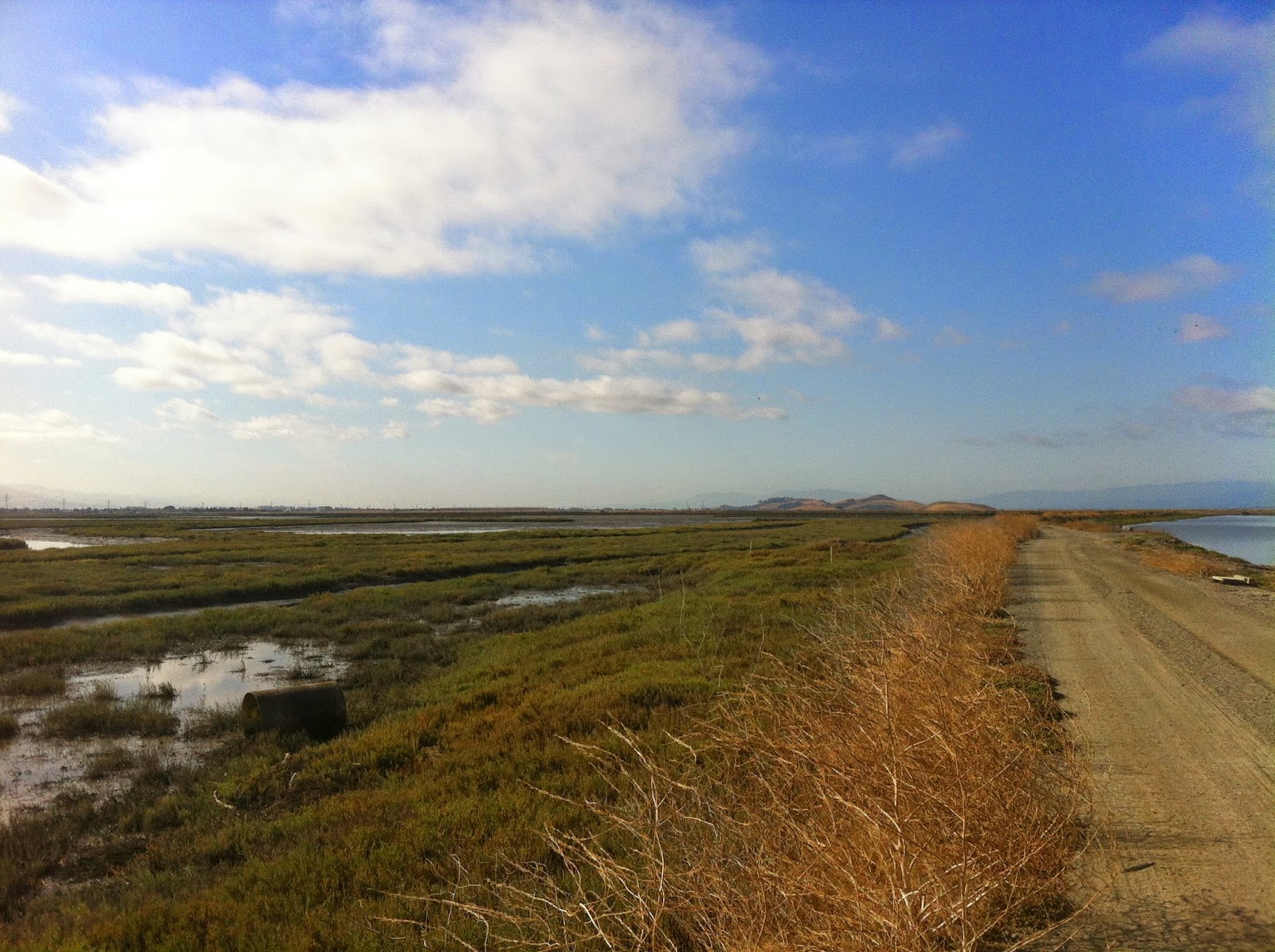
Restored marsh area.

Despite what Starbucks is trying to tell you, fall doesn’t officially start in the Northern Hemisphere until September 22nd at 10:29 pm (equinox party anyone?).  And yet I felt now might be a great time to reflect on the summer.  At this point, if you’re a semi-regular reader you probably know a bit about my interests, but today I want to share a peek inside my summer work.  It was fun, it was muddy, and it was also just a ton of work!
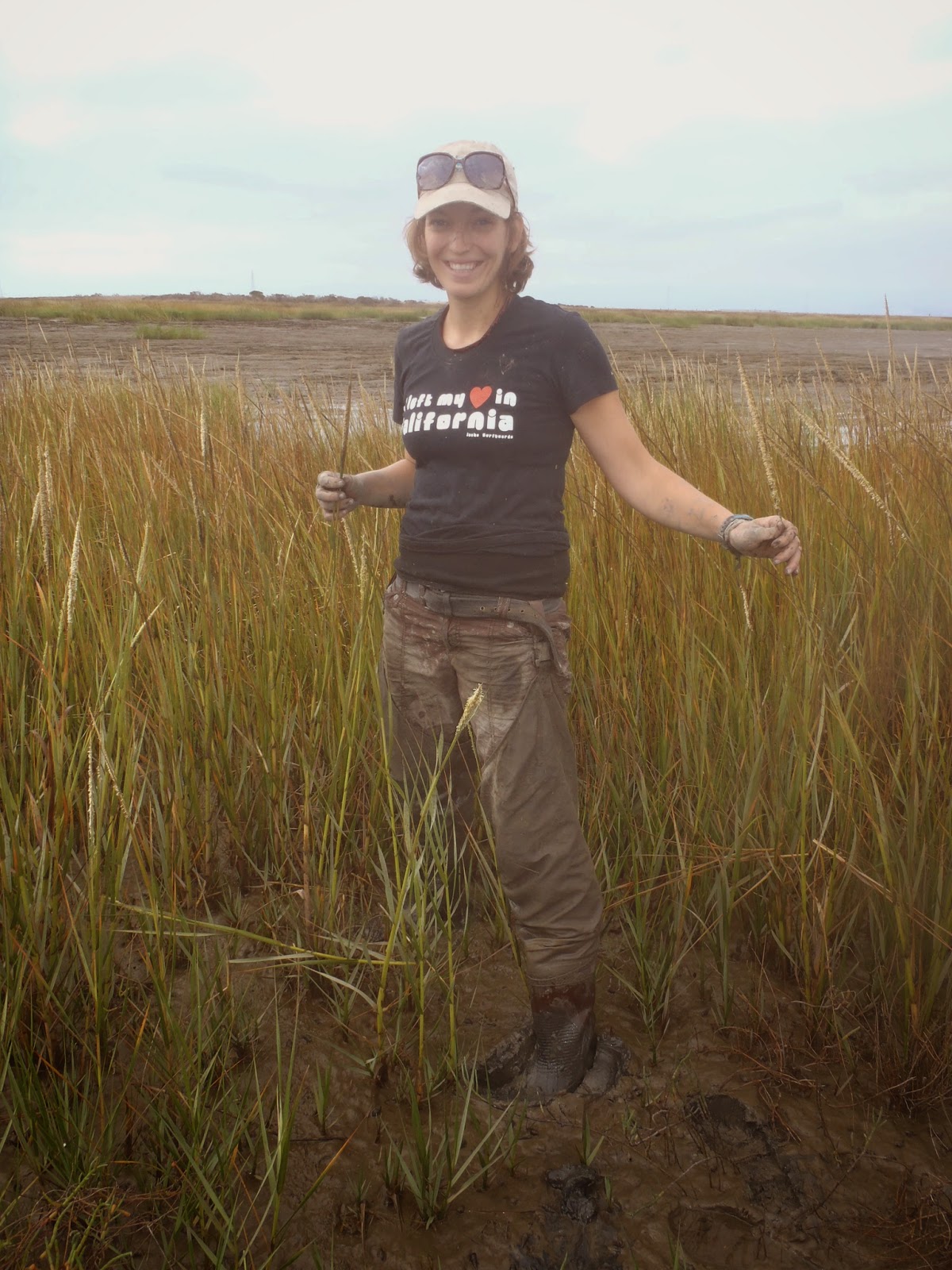
I'm just for scale, look at the height on that hybrid Spartina!

But before I can really tell you what I did, I need to tell you why I did it.  As a PhD student, I’m nurturing a little research agenda that I hope will mature over time.  Right now, it’s at that horrible tween stage where it wants to be a grown up research agenda, but I keep driving it to the mall and embarrassing it in front of its friends.  Regardless, when people ask about my work at parties or family functions, I tell them I study the impacts of invasive plants in tidal wetlands.  Tidal wetlands are hugely important in terms of impacts to biodiversity (nursery habitat for many organisms) and ecosystem services (carbon storage, flood abatement, water filtration, and the list goes on…).  Ironically, in California, only about 10% of our historic tidal wetland area remains, and to add insult to injury wetlands are one of the ecosystem most impacted by invasion.  

But, why invasive plants?  Plants are primary producers, hanging out at the base of the food web, and when they change, other things change in really interesting ways.  My master’s research focused on the impacts of an invasive plant on songbird food webs.  I found the plant impacted the insects, which the birds ate, thus impacting the birds.  I was intrigued!  That’s how I knew a PhD was right for me, after my MS, I have about 1,000 more questions.  In my current research, I try to understand:  How do changes in invasive plant density impact the effects these plants have on ecosystems?  How does restoration approach impact ecosystem recovery after the removal of an invasive plant?  How does understanding the function of invaders in ecosystems impact management choices?  I have approximately a billion other small questions that I try to address, but those are the biggies.


Tuesday, September 2, 2014

Winning Your First Professional Conference

If you're in Portland for a conference, you should
probably go hike at Mt. St. Helen's
Hello September!  Can you believe it?  I know I can’t.  Classes are ringing back into session all over the country, and most people are gearing back up after the summer.  For me, September is going to be a month of getting things back in order after a really intense stretch in July and August.  I wouldn’t say I’m gearing down, but without vacation, 8+ hours of manual labor, or time sensitive lab samples to deal with, I’m hoping I can refocus and reorganize.  One project I’m giving special attention this month is updating the analysis of chapter two of my Master’s Thesis, which I will be presenting at a conference in October (and submitting for publication before the end of 2014...I think I can...I think I can…). (Editor’s note: I know she can!) Professional conferences are very helpful as benchmarks for your research.  They give you something to work toward in the short term, and they also provide a great forum for research in progress (either in progress of collecting data or analysing it).  Aside from this, professional conferences are great opportunities for loads of other reasons, which are completely applicable for those who don’t have research to present yet.  If you are gearing up for your first conference this fall, or if you are on the fence about the usefulness of attending, here are my thoughts on how to get the most out of your first academic conference.    

Tuesday, August 19, 2014

The Science Side of NYC

If you follow us on Tumblr, then you know I was away from my post at the beginning of August.  I traveled from the West Coast all the way over to New York City, New York to celebrate my engagement to that fella' to the left.  I won't take you through the blow by blow, but spending a lot of money on a ring just wasn't our cup-o-tea.  Instead, we saved up and went on an adventure together to celebrate!  First, this is a decision I highly recommend because, hello, vacation.  Second, I hope you know I couldn't go anywhere, even the maze of NYC, without scoring some science.  I know this city is just full of everything, so don't consider this even close to an exhaustive list.  I would love to know about any of your favorite NYC science scores.

View from the Staten Island Ferry  
Most of my city going experience has been out west and in Chicago.  So one really special thing, for me, about seeing such an old city was the architecture.  I love that you can see a completely modern building with modern building materials and techniques right next to a church built in 1846!  Just look at that skyline.  You can learn by observation about changing technology as you look from the short, stone buildings to those shiny skyscrapers.  I'll make my first tourist aside here to state that the Staten Island Ferry ride was both free and awesome.

Tuesday, July 22, 2014

What's in Her (Field) Bag

Summer is a funny time for an ecologist.  As a student, my classes have all wrapped up (I’m actually all done with class now, forever!!).  My social media is full of people’s summertime adventures.  My partner, who teaches communications courses at community college, is in full on vay-cay mode.  Me?  This is my busy season.  I have been up to my eyeballs in marsh mud for most of the month, and for the month before that I was prepping.  
China Camp State Park.  Maybe my favorite site. 
Ah, the field season.  The first day of the each sampling period, I’m always a huge stress ball.  By the time I visit my last site, I feel like Queen of the Marsh.  One thing I always do to minimize my first day jitters is prepare a packing list for each project I’m working on.  This helps minimize those “Oh crap, I left that sitting on the lab bench” moments.  This packing list is mostly full of project specific items (thermometer, pH probe, redox meter, etc.).  In addition, I have a mental checklist of things I never like to don my waders without.  These items reside in my trusty field bag, and today I’m giving you the grand tour!


I know we have an eclectic readership, from PhDs, fellow students, teachers, and amazing high school science enthusiasts.  Though you might not all be headed out to do field work anytime soon, I hope a look at my “must have” items gives you a taste for what a day in the life of a field scientist can be like.  Think of this as the field biologist’s version of those posts by lifestyle/mom bloggers about what they keep in their purses/diaper bags.*


Trusty field bag!

Tuesday, July 15, 2014

Ten Tips for Tackling that Thesis!

Meridith and Rachel are both in PhD programs, which means dissertation writing will be in their future.  While dissertating will come with its own sets of challenges, they have both managed to survive the process of completing a Masters thesis!  Here are the top ten tips and tricks (in no particular order) they used to keep sane, be productive, and come out the other side.  

1. If you haven't been productive in 15 minutes, then it's time to change locations.

R: First I got work aversion to my desk, then I got work aversion in the stats lab (luckily, after I was done with stats).  I finished writing by visiting (almost) every coffee shop in Long Beach for a few days in a row before I had to move on to my next location.
M: Can someone figure out how to fix the mutual exclusivity of working outside on a sunny day and being able to see your computer screen?

Tuesday, July 1, 2014

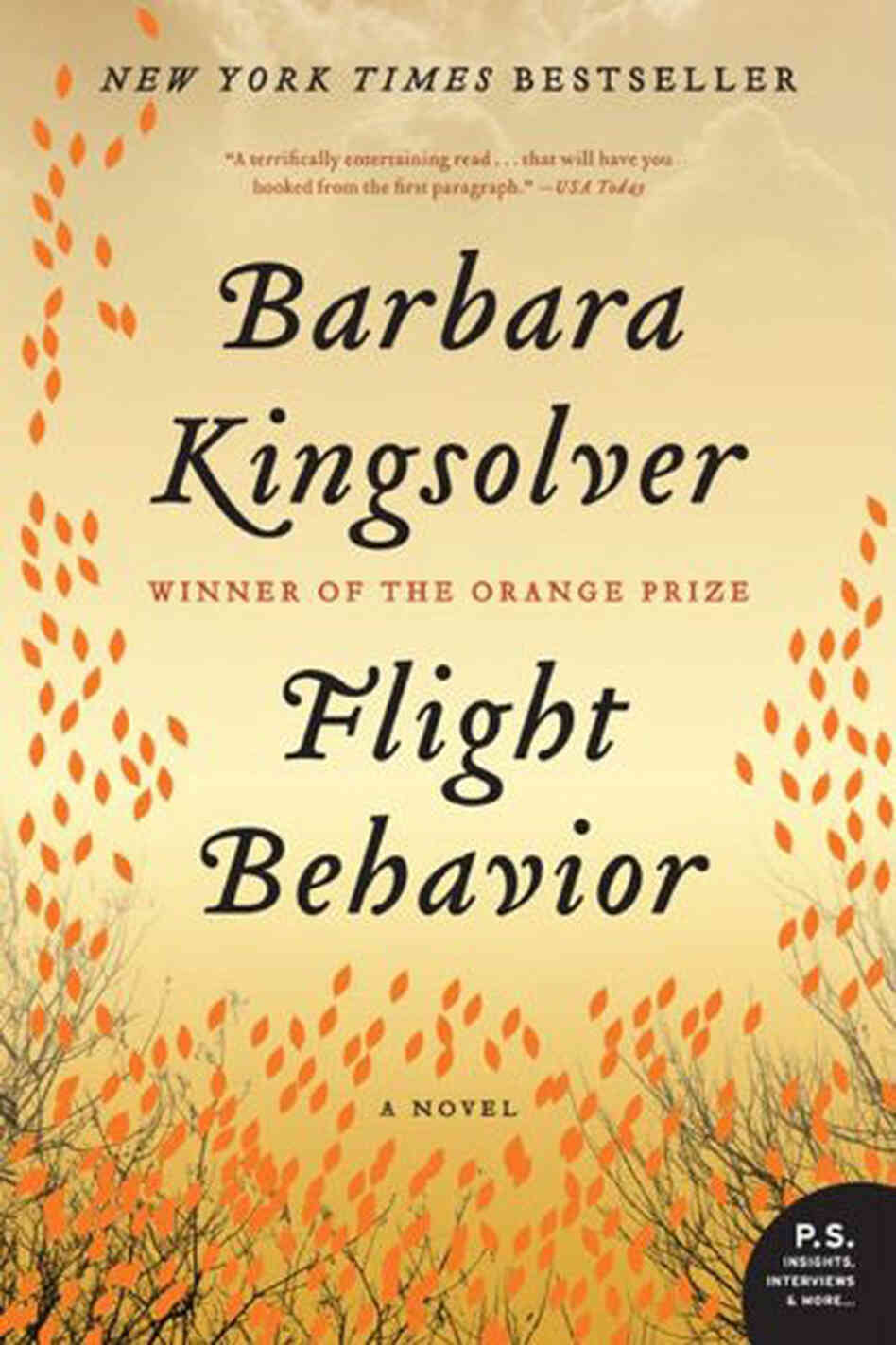
Science Book Club: Flight Behavior

I love extracurricular activities.  Maybe it’s a holdover from my days doing Speech and Debate, maybe is the fact that I don’t feel like I’m really doing my best unless I am overcommitted by at least 5 hours per week, or maybe I’m still overcompensating for being quite shy and think that these activities will force me to meet more new people.  Either way, I love them.  Most recently, I received an email on our grad group’s social listserve about a book club.  Obviously, sign me up!  Obviously, I didn’t finish the book in time.  I still read it though.  And I adored it.  So, here is a virtual book club to start your summer reading.  Ready, steady, go!


Barbara Kingsolver is well known for her use of vivid imagery in stories which feel both tangible and delicate.  According to her official website, she was born in 1955 in rural Kentucky (southern girl shout out!).  She currently lives in southwestern Virginia.  She is also unique as a fiction writer due to her education, which includes a BS and a MS in biology and environmental sciences.  These themes, of biology and southern culture, are reflected in several of her works.  Are you becoming less and less surprised that I jumped at a chance to read one of her books?  Despite all this, Flight Behavior is the first of Kingsolver’s works I have had the pleasure of reading.  However, after finishing the novel, some of her other popular books have jumped to the top of my reading list, and all her novels are now on my Amazon “Books I want” wishlist (This wish list is public, so feel free to buy me books! Just kidding, but not really). (editor note: I LOVE Kingsolver’s Animal, Vegetable, Miracle and highly recommend it to Rachel.)    


What is Flight Behavior about?


Set in the Appalachian region of Tennessee, this novel chronicles the fictional migration of a population of monarch butterflies to a fir forest just outside of a remote farming and manufacturing community.  The question of what has brought the butterflies there and their ultimate fate brings together a cast of unlikely characters: the sheep farming family, who own the property the butterflies land upon; the family’s oddball daughter-in-law, who discovers the butterflies; the ecologist and his graduate students, who come to study the insects; the local preacher, who has an unlikely part to play; and the young boy, whose small-town world view is forever altered by the events of the novel.  In the end, the fate of the butterflies becomes more than just a biological question.  It is a question of culture, faith, and what the future holds for all of us.      

Tuesday, June 17, 2014

Gardening with a Toddler

Editor’s Note: Today will be the first guest blog in STS history!  Both Meridith and I had guest bloggers on our individual blogs, and we love the additional insights added voices give to our topics of discussion.  Those who follow us on Instagram or Tumblr know that I have started a vegetable garden this year, and I have been having a blast.  I’m constantly amazed at how I, a person who presumably knows quite a bit about plants, keep learning new things through this process.  I was discussing this with my friend Christal recently, and we got to talking about how she had started a container garden with her 2-year-old son.  Adorable and educational?  I had to know more, so I asked her to write a post about the experience of gardening with her son, and what she thinks he has gotten out of the activity.  Here is what she shared!  
This kid is totally a STS kindred spirit!

Tuesday, June 10, 2014

Making Time for Nature


One of my favorite environmental quotations goes as follows:

“One final paragraph of advice: do not burn yourselves out. Be as I am — a reluctant enthusiast... a part-time crusader, a half-hearted fanatic. Save the other half of yourselves and your lives for pleasure and adventure. It is not enough to fight for the land; it is even more important to enjoy it. While you can. While it’s still here. So get out there and hunt and fish and mess around with your friends, ramble out yonder and explore the forests, climb the mountains, bag the peaks, run the rivers, breathe deep of that yet sweet and lucid air, sit quietly for a while and contemplate the precious stillness, the lovely, mysterious, and awesome space. Enjoy yourselves, keep your brain in your head and your head firmly attached to the body, the body active and alive...”  ~Edward Abbey*
These are the words of wisdom I try to remind myself of when I am having a moral crisis over what sort of salad dressing to buy at the grocery store (Plastic vs. Glass??  High Fructose Corn Syrup vs. Palm Oil??  Too many decisions!).  While I absolutely want to work as hard as I can to understand and conserve the natural world, I also want to take time to walk around in the woods!  When I am working out in the field, I try and remind myself to stick my toes in the water or gush over a particularly adorable weevil.  This helps keep the balance in my life.  

Lett Lake, Snow Mt. Wilderness Area, 
Not everyone is fortunate enough to have a job that requires as much outdoor time as mine does.  Heck, even for those of us that work outside, having unstructured outdoor play time is really important.  Remember, just because you are playing, doesn't mean you aren't learning or growing.  How do you think kids learn?  Through play, naturally.  Playing in nature, whatever play means to you, is a great first step to exploration, questioning, and eventual understanding.  The question becomes, how do we fit hours into our busy schedules for outdoor recreation and soul-feeding fresh air?  I am currently on a quest to answer this question in my own busy life.  In an effort to make it happen, my partner and I (editor’s note: Meridith and her partner, too!) have committed to hiking once a week every week.  The life experiment is set to run for the summer (May thru August).  For us, there are no rules aside from “get outside and walk!”  I’m hoping to see some new places and explore spaces nearby that I have under appreciated or overlooked.  As of today, we have gone on a walk-about all but one of the weeks we intended! Not bad overall, and we are only getting started! Would you like to get your outdoor adventure one?  Here are my strategies for making it happen!
     
STS Guide to Making Time for Nature

Tuesday, May 27, 2014

Road Trip Record: Three Ecosystems in One Hike

RMNP Montane Ecosystem
Time to get in the wayback machine for a trip down science/nature travel memory lane.  In the summer of 2012, just after I had finished my MS degree and just before I was slated to move on (and up the coast) to start my PhD, Meridith and I planned and executed the Amazing Besties National Parks Road Trip!  Meridith was tantalizingly close to completing her MS degree as well, so it totally counted as a double celebratory trip!  Our goal was to see as many national parks as possible, with an eye to balancing quality and quantity, and road trip our way from Las Cruces, New Mexico (Mer’s former hood), up to Portland, OR for the Ecological Society of America conference, then scoot back down the California coast to Long Beach, where I would pack my stuff into a truck and move!  If you’re new to this series of blog posts, I highly recommend you check out the summaries of the early stages of our trip, which were originally posted on Meridith’s former blog and later migrated to our current one.  Clickity-click for:  the take-off, Carlsbad Caverns National Park (days one and two), ABQ New Mexico, on the road, Zion National Park (day one and two), me getting us really lost, Arches National Park, a babal about invasive species, and Rocky Mountain National Park day one!   


Day 11
Rocky Mountain National Park
Total Miles Hiked: 8.9 (67.2 overall)


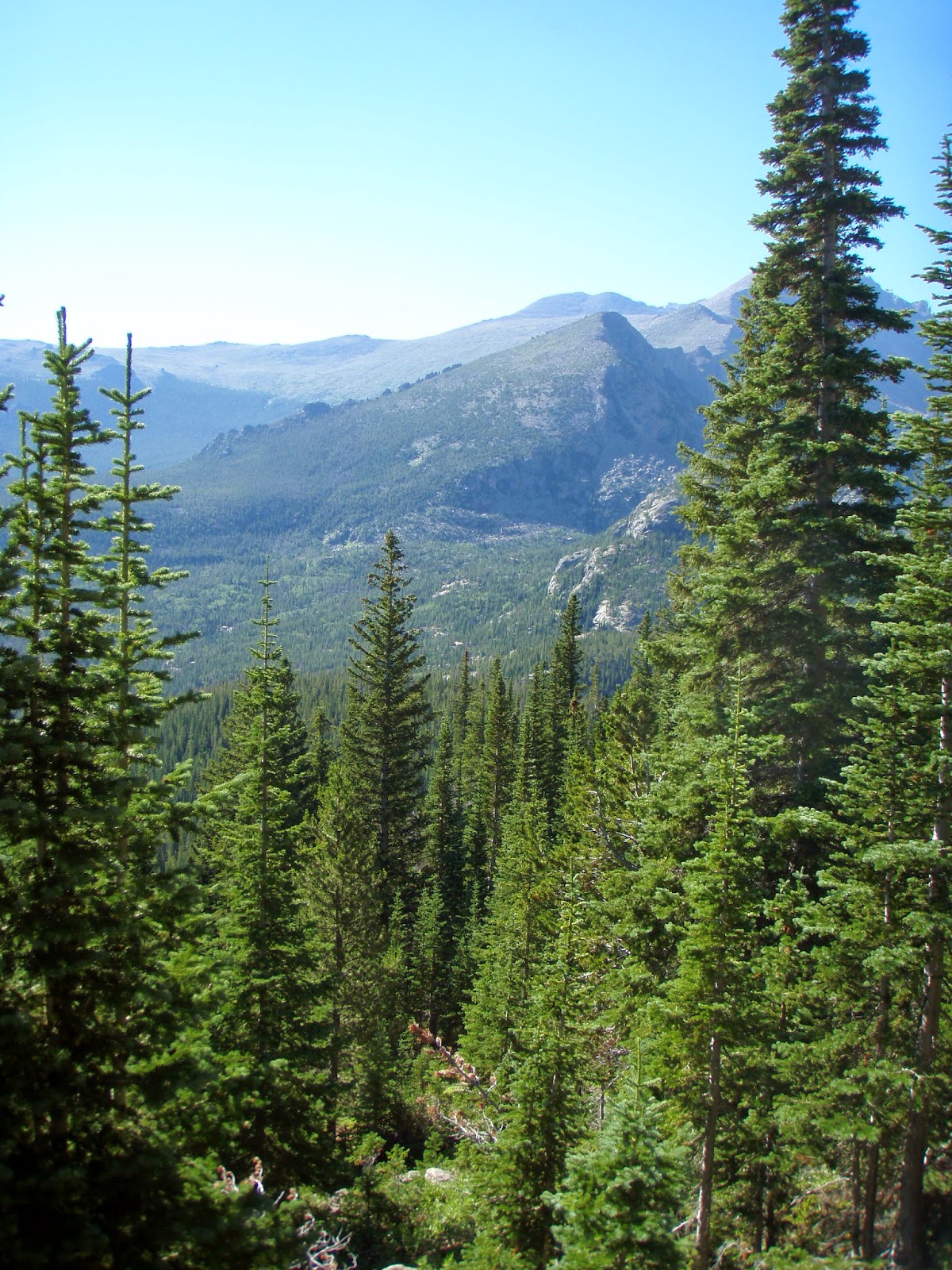
About 95% certain this is a portion of Bear Lake from above.
When last we left our Amazing Besties National Park Road Trip, we had just finished our first full day in Rocky Mountain National Park.  We had taken an awesome hike up Deer Mountain, seen 18 big horned sheep, and I had beaten Meridith in a friendly game of pool.  We didn’t let all this fun keep us up too late though.  We had big plans for the next day, July 20, 2012.  

Tuesday, May 13, 2014

Eco-Life Hacks: Making Homemade Stock

There are a few things that I truly love in this world:  science (obvi), my family/friends/cat, NAPS(!), and finding new life hacks that are both thrifty and eco-friendly.  Don’t get me wrong, I like things that are thrifty or eco-friendly, but when you get the two together…  These are usually little things or habit changes that I can pretty easily sneak into my normal routine.  They make me feel positive about my choices and they make it a little easier for me to buy obnoxious (read: more expensive) organic kale.  Win, win!  Right?


Allow me to play Devil’s advocate for a moment.  Our environmental problems are big, huge even.  The impacts of our personal choices are generally small, potentially imperceptible.  I get this.  People who tell you otherwise are not being straight with you.  So, why do I still make these small lifestyle changes in the face of all the facts?  There are a couple of reasons.  First, I think that over my lifetime my small choices can add up, and maybe that still won’t make a huge difference, but at least I can say I did my best.  Second, I truly and strongly feel a cultural shift toward these choices in the population at large can make a big difference in the years to come.  As we have seen so many times over the decades, a cultural revolution is the most effective way to make lasting change.

Tuesday, May 6, 2014

Welcome to Sweet Tea, Science

Mt. St. Helens, Summer 2012
Let us start by first saying welcome! We are excited and proud to be launching the Sweet Tea, Science blog today. We are two scientists from Kentucky currently working on obtaining our PhDs.  Aside from academic pursuits, we are passionate about sharing our interests in various STEM topics, travel, and sustainable living. It is our hope that through Sweet Tea, Science we can share our knowledge, practice our communication skills, and learn from you!

Costa Rica, Winter 2007
In addition to being hysterical scientists, we are also real life friends! We met in 2005 at Western Kentucky University where we both obtained a BS in Biology with concentrations in Biodiversity, Ecology, and Conservation. Meridith is an overachiever, and also has a minor in mathematics! During our time at WKU (go Tops!), we both completed Honor’s theses and graduated from WKU’s Honors College.  While in college we studied (we took pretty much every biology class together), traveled (numerous Central and South American countries, Africa, Michigan…), and adventured together (everything is an adventure!).  After graduating, we continued to learn and explore as a team, and now we are tackling the blogging world as a dynamic duo.
Related Posts Plugin for WordPress, Blogger...